When you think of Sri Lanka, pristine beaches and rolling tea estates might be the first images that come to mind. But travel down to the southeastern corner of the island, and the landscape shifts dramatically. The air grows warmer, the vegetation turns to rugged scrub jungle, and the sounds of the ocean are replaced by the calls of peacocks and the rustling of leaves. You have arrived at Yala National Park, the undisputed premier wildlife destination in the country.
Covering an immense area of nearly 1,000 square kilometers, Yala is a place where nature rules. It is a raw, unforgiving, yet breathtakingly beautiful environment that offers one of the finest wildlife viewing experiences in Asia. Whether you are an avid wildlife photographer, a family seeking adventure, or simply someone who appreciates the natural world, a safari here is an essential part of your Sri Lankan itinerary.
At Emerald Sri Lanka Tours, we have guided countless travelers through these dusty trails, and we never tire of the sheer unpredictability of the jungle. Every game drive is different. You might spend an hour quietly watching a herd of elephants bathing in a waterhole, or you might round a corner to find a leopard casually strolling down the track. This guide covers everything you need to know about planning your visit, understanding the wildlife, and making the most of your time in this remarkable natural reserve.
Understanding the Landscape of Yala
Yala is not a single, uniform forest. It is divided into five separate blocks, though only two are generally open to the public: Block 1 and Block 5. The vast majority of visitors head to Block 1, which boasts the highest concentration of wildlife and the most accessible road network. This section of the park is unique because of its incredible geographical diversity. Within a single game drive, you will traverse dense monsoon forests, open grassy plains, brackish lagoons, and dramatic rocky outcrops.
This varied terrain is exactly why Yala supports such a high volume of animals. The rocky kopjes (isolated hills) provide perfect vantage points for leopards to scan their territory. The waterholes and lagoons attract thirsty mammals and hundreds of bird species. The dense scrub offers cover for sloth bears and smaller predators. It is an intricate ecosystem where every species plays a crucial role.
Because the park borders the Indian Ocean, many safari routes eventually lead to the coastline. The sight of wild elephants walking along the beach, with the surf crashing behind them, is a surreal and beautiful contrast that you will rarely find anywhere else in the world. Navigating this vast park requires deep knowledge of the terrain and animal habits, which is why traveling with experienced guides is vital.
The Main Event: Spotting the Sri Lankan Leopard
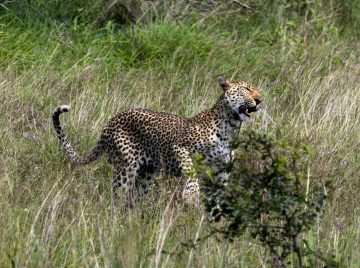
Let us talk about the primary reason most people visit Yala: the Sri Lankan leopard (Panthera pardus kotiya). Yala Block 1 has one of the highest leopard densities in the world. Because there are no tigers or lions in Sri Lanka to compete with, the leopard is the apex predator here. This lack of competition has led to a population that is generally larger and less nocturnal than leopards in other parts of the world, making them slightly easier to spot during daylight hours.
However, finding them does not mean a guaranteed sighting on every drive. Leopards are absolute masters of camouflage. Their rosette-patterned coats blend flawlessly with the dappled light of the jungle canopy and the dry, golden grasses. A leopard can be resting on a branch just ten feet away, and unless you know exactly where to look, you might drive right past it.
They are most active during the cooler hours of the early morning and late afternoon, patrolling their territories or hunting. During the heat of the day, they prefer to rest. You will often find them draped lazily over the thick branches of Palu trees or sunning themselves on the smooth surfaces of the park’s massive granite boulders.
Spotting a leopard requires patience, a bit of luck, and, most importantly, a skilled tracker. Our drivers at Emerald Sri Lanka Tours are experts at reading the jungle. They listen for alarm calls from monkeys and deer—the telltale signs that a predator is moving through the undergrowth. They look for fresh tracks in the sand. When you book a safari with us, you are getting the expertise needed to maximize your chances of witnessing these magnificent cats in their natural habitat.
Beyond Leopards: A Thriving Ecosystem
While the leopards steal the spotlight, Yala is teeming with a diverse array of wildlife that makes every safari rewarding, regardless of whether the big cats make an appearance.
The Asian Elephant
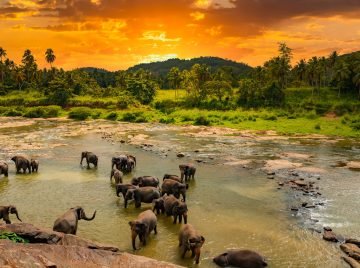
Yala is home to a healthy population of Sri Lankan elephants. You will frequently encounter small herds feeding on the scrub or drinking at the waterholes. The park is also famous for its large, solitary tuskers—mature males that roam the park independently. Watching a mother elephant carefully guide her calf through the bush is always a highlight of any trip.
The Elusive Sloth Bear
Perhaps even harder to spot than the leopard is the Sri Lankan sloth bear. These shaggy, black bears are primarily nocturnal and highly reclusive. However, if you visit during May, June, or July, your chances of seeing them increase dramatically. This is when the Palu trees bear sweet, fleshy fruit. Sloth bears absolutely love Palu fruit and will climb high into the branches during the day to feed on it, giving visitors a rare opportunity to observe them closely.
Other Mammals and Reptiles
As you drive through the park, keep an eye out for the large herds of spotted deer grazing in the open plains. You will also likely see sambar deer, the largest deer species in Sri Lanka, often standing chest-deep in the lagoons. Wild boar, water buffalo, golden jackals, and stripe-necked mongooses are common sights.
The waterways of Yala are dominated by reptiles. Enormous mugger crocodiles line the banks of the lakes, basking in the sun with their jaws wide open. The park is also home to estuarine crocodiles, land monitors, and a variety of snake species, including the Indian rock python.
A Bird Watcher’s Paradise
If you are interested in birding, Yala will not disappoint. The park records over 215 bird species, including several endemic to Sri Lanka. The air is constantly filled with the striking calls of peafowl—the males often displaying their magnificent plumage to attract mates. Around the waterholes, you will find painted storks, Asian openbills, and grey herons. Look up into the trees to spot crested serpent eagles, Malabar pied hornbills, and vibrant flashes of blue from multiple species of kingfishers. During the winter months, Yala also becomes a crucial stopover for thousands of migratory birds.
Safari Logistics: Timing, Tips, and Etiquette
Planning the right time to visit and knowing what to expect can make a significant difference in your safari experience.
When to Visit
Yala is a year-round destination, but the absolute best time for wildlife viewing is during the dry season, from February to July. As the smaller water sources dry up, animals are forced to congregate around the larger, permanent lakes and waterholes, making them much easier to locate. Please note that the park typically closes for a month or two in September or October. This annual closure gives the animals a break from human activity during the peak of the drought. Emerald Sri Lanka Tours stays updated on all park announcements and will help you plan your itinerary around these dates.
Morning vs. Afternoon Game Drives
Safaris in Yala generally take place during two windows: the morning drive (usually 6:00 AM to 10:00 AM) and the afternoon drive (3:00 PM to 6:00 PM). Both have their advantages. Morning drives offer the beautiful sunrise light and a high level of animal activity before the day gets too hot. Afternoon drives build up to the golden hour and dusk, which is another peak time for predators to emerge. For the dedicated wildlife enthusiast, we recommend a full-day safari, which allows you to venture deeper into the park away from the crowds, stopping for a packed lunch at a designated rest area near the beach.
What to Wear and Bring
Comfort is key on a bumpy safari. Wear lightweight, breathable clothing in muted colors like khaki, brown, or olive green to blend in with the environment. Bright colors can startle the animals. The Sri Lankan sun is intense, so a wide-brimmed hat, sunglasses, and high-SPF sunscreen are essential. Dust is a major factor on the dirt roads, so bringing a scarf or bandana to cover your mouth and nose is highly recommended. Do not forget your camera, spare batteries, and binoculars—binoculars are incredibly helpful for bird watching and spotting distant leopards.
Safari Etiquette
It is vital to remember that you are a guest in the animals’ home. Strict park rules are in place for your safety and the well-being of the wildlife. You must never feed the animals or throw anything out of the jeep. Keep your voice down; loud noises will easily frighten away a leopard or a bear. Under no circumstances should you stand up or lean out of the vehicle, and you are only permitted to step out of the jeep at specific, designated rest areas. Respecting the wildlife ensures that Yala remains a sanctuary for generations to come.
Let Emerald Sri Lanka Tours Arrange Your Yala Adventure
Organizing a safari on your own can be stressful. Securing park permits, negotiating with jeep drivers, and timing everything perfectly requires local knowledge. That is exactly where Emerald Sri Lanka Tours comes in. We handle every single detail so you can simply sit back, hold onto your camera, and enjoy the ride.
When you book your Yala experience with us, we provide comfortable, well-maintained 4×4 safari vehicles designed specifically for rugged terrain. More importantly, we partner only with the most experienced and ethical drivers and trackers in the region. They understand the behavior of the animals, know the hidden tracks of the park, and prioritize respectful, responsible wildlife viewing over crowded, aggressive driving.
We can integrate a Yala safari seamlessly into your broader Sri Lankan itinerary. Whether you are traveling straight from the misty tea hills of Ella or coming up from the southern beaches of Mirissa, we coordinate your transport, your accommodation in the Yala area—from luxury tented camps to comfortable eco-lodges—and your game drives. We tailor the experience to your preferences, whether you want a quick morning dash to see the elephants or a multi-day intensive wildlife photography expedition.
Yala National Park is a place of raw, untamed beauty. It offers moments of quiet wonder and sudden, heart-pounding excitement. Let us help you create those unforgettable memories without any of the logistical headaches. Contact Emerald Sri Lanka Tours today, and let us start planning your perfect Sri Lankan wildlife safari.